
Hi, How Can We Help You?

Category Archives: DUI

December 22, 2025

Being arrested for driving under the influence can feel overwhelming, confusing, and even frightening. If you or a loved one is facing this situation, understanding What to Do After a DUI Arrest in Yavapai County is critical. The steps you take in the first hours and days can significantly affect your case, your driver’s license, and your future.

This comprehensive guide walks you through the legal process, your rights, and the smart actions that can help minimize the consequences under Arizona law.


Understanding a DUI Arrest in Yavapai County

https://www.prescottpolice.org/wp-content/uploads/2022/01/PPD_PatchAlpha_Final.png?utm_source=chatgpt.com

A DUI arrest in Yavapai County usually begins with a traffic stop by local police, the county sheriff, or state troopers. Officers may conduct field sobriety tests, breath tests, or blood tests if they suspect impairment.

Arizona has some of the strictest DUI laws in the country. A driver can be arrested for:

  • A blood alcohol concentration (BAC) of 0.08% or higher

  • Any level of impairment

  • Driving with drugs (legal or illegal) in the system

  • Extreme or aggravated DUI circumstances

Understanding the seriousness of the charge is the first step in knowing What to Do After a DUI Arrest in Yavapai County.


Step 1: Stay Calm and Exercise Your Rights

Immediately after a DUI arrest, emotions often run high. Staying calm is essential.

Your Key Rights

  • You have the right to remain silent

  • You have the right to an attorney

  • You are not required to answer questions about where you were or how much you drank

Be polite, but do not volunteer information. Anything you say can be used against you later.


Step 2: Understand the Immediate Consequences

A DUI arrest triggers two separate processes:

  1. Criminal court case

  2. Administrative driver’s license action

You may receive a notice that your driver’s license will be suspended unless you act quickly. This is one of the most time-sensitive parts of What to Do After a DUI Arrest in Yavapai County.


Step 3: Request a Motor Vehicle Division Hearing Quickly

In Arizona, you typically have 15 days from the date of arrest to request a hearing with the Motor Vehicle Division (MVD).

Failing to request this hearing can result in:

  • Automatic license suspension

  • Loss of driving privileges for months

Requesting the hearing may allow you to continue driving temporarily and gives your attorney a chance to review the evidence early.


Step 4: Document Everything You Remember


As soon as possible, write down:

  • Where you were stopped

  • What the officer said

  • Whether tests were explained clearly

  • How sobriety or chemical tests were conducted

Details fade quickly, but they can be crucial in building a defense.


Step 5: Avoid Discussing Your Case Publicly

It may be tempting to explain your situation to friends or on social media. This can seriously harm your case.

  • Avoid posting about the arrest

  • Do not discuss details with anyone except your lawyer

  • Remember that statements can be subpoenaed

Discretion is a smart move when deciding What to Do After a DUI Arrest in Yavapai County.


Step 6: Hire an Experienced DUI Defense Lawyer

One of the most important steps is consulting a qualified DUI defense attorney familiar with Yavapai County courts.

How a Lawyer Helps

  • Reviews police procedures and evidence

  • Challenges breath or blood test accuracy

  • Negotiates reduced charges or penalties

  • Represents you in court and MVD hearings

Legal guidance can make a substantial difference in the outcome.


Step 7: Prepare for the Court Process

After a DUI arrest, you may face:

  • Arraignment

  • Pretrial conferences

  • Motions hearings

  • Trial or plea negotiations

Your attorney will explain each stage and help you prepare. Showing up on time, dressing appropriately, and following legal advice all matter.


Potential Penalties for a DUI Conviction

Penalties vary based on circumstances but may include:

  • Jail time

  • Heavy fines and court fees

  • License suspension or revocation

  • DUI education or treatment programs

  • Ignition interlock device installation

Knowing the stakes reinforces why understanding What to Do After a DUI Arrest in Yavapai County is so important.


Common Mistakes to Avoid After a DUI Arrest

Avoid these costly errors:https://courts.yavapaiaz.gov/files/sharedassets/courts/v/3/superior-court/images/courthouse4web-pano-2.jpg?utm_source=chatgpt.com

  • Missing court dates

  • Ignoring license suspension notices

  • Talking too much to law enforcement

  • Waiting too long to hire a lawyer

Each mistake can worsen your situation.


Frequently Asked Questions (FAQs)
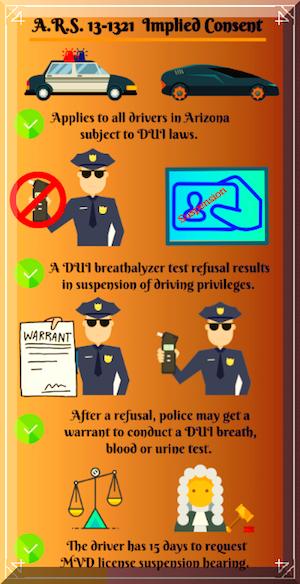
https://www.arizonacriminaldefenselawyer.com/static/2024/10/44_implied_consent_13-1321.jpg?utm_source=chatgpt.com

1. What happens immediately after a DUI arrest in Yavapai County?

You may be taken to jail, released with a court date, and given notice of a potential license suspension.

2. Can I still drive after a DUI arrest?

Possibly, but only if you request an MVD hearing within the required timeframe.

3. Do I have to take field sobriety tests?

Field sobriety tests are usually voluntary, but refusing chemical tests can lead to automatic license suspension.

4. Will I go to jail for a first DUI offense?

Jail time is possible, but penalties depend on BAC level and case details.

5. How long does a DUI case take in Yavapai County?

Cases may take several months, depending on complexity and court schedules.

6. Is hiring a DUI lawyer really necessary?

Given Arizona’s strict DUI laws, legal representation is strongly recommended.


Conclusion: Take Action Immediately

Knowing What to Do After a DUI Arrest in Yavapai County can protect your rights, reduce penalties, and help you move forward with confidence. Time is critical, especially when it comes to your driver’s license and legal defense.

Taking prompt, informed action—and seeking experienced legal guidance—can make all the difference in the outcome of your case.

December 12, 2025

Arizona DUI Penalties in Prescott, AZ (2025 Guide)

Everything you need to know about first-time DUI, second DUI, Extreme DUI, and Super Extreme DUI penalties in Prescott and Yavapai County.


Quick Answer

In Prescott, Arizona, a DUI carries mandatory jail, license suspension, fines, interlock ignition device, and alcohol treatment. Penalties vary based on BAC:

  • Standard DUI (0.08–0.149): 10 days jail (9 suspended), ~$1,500+ in fines, 90-day suspension

  • Extreme DUI (0.15–0.199): 30 days jail (21 suspended), ~$2,700+

  • Super Extreme DUI (0.20+): 45 days jail (31 suspended), ~$3,200+

  • Second offenses within 7 years carry far higher jail, higher fines, and longer revocations

Prescott courts strictly enforce Arizona DUI statutes, and all jail time is served at the Yavapai County Detention Center unless home detention is later approved.


What Counts as a DUI in Arizona?

Arizona’s DUI laws are found in A.R.S. §§ 28-1381, 28-1382, and 28-1383.
A person may be charged if:

  • BAC is 0.08 or higher, OR

  • The driver is impaired to the “slightest degree”

  • The person is driving under the influence of alcohol, drugs, or medication

  • BAC is measured within 2 hours of driving

Prescott courts (Prescott Justice Court or Prescott Consolidated Court) apply these penalties uniformly under state law.


1. First-Time Standard DUI (0.08–0.149 BAC)

Charge: Class 1 Misdemeanor
Statute: A.R.S. § 28-1381(A)(1)

Penalties

  • 10 days jail (9 suspended with alcohol screening & treatment)

  • Approx. $1,500–$1,800 in fines & assessments

  • 90-day license suspension (MVD)

  • Ignition interlock: 12 months (can reduce to 6 months)

  • Mandatory alcohol screening & classes

  • Up to 5 years probation

  • Community service possible

Prescott Notes

  • Cases typically heard at Prescott Justice Court

  • Some courts require proof of completed alcohol screening before sentencing

  • Jail is served in Yavapai County Detention Center


2. Second Standard DUI (within 7 years)

Penalties

  • 90 days jail (60 may be suspended with treatment, 30 consecutive required)

  • Approx. $3,500+ fines

  • 1-year license revocation

  • Interlock: 12 months

  • Mandatory alcohol treatment

  • Community service required

Prescott Notes

  • Yavapai County prosecutors rarely reduce second-offense DUIs

  • Home detention eligibility reviewed on a case-by-case basis

  • Court may require compliance review hearings


3. First Extreme DUI (0.15–0.199 BAC)

Statute: A.R.S. § 28-1382(A)(1)

Penalties

  • 30 days jail (21 suspended with treatment)

  • Approx. $2,700–$3,200 fines & assessments

  • 90-day license suspension

  • Interlock: 12 months

  • Alcohol screening & treatment mandatory

Prescott Notes

  • Prescott, Chino Valley, and PV police frequently file Extreme DUIs from speeding stops and CR 89A patrols

  • Judges may require a portion of the jail term served “straight time” before home detention


4. Second Extreme DUI (within 7 years)

Penalties

  • 120 days jail (60 consecutive)

  • Fines: ~$3,500–$4,500

  • License revocation: 1 year

  • Interlock: Minimum 12 months

  • Mandatory community service

Prescott Notes

  • Yavapai County judges impose strict compliance checks on second extreme offenders

  • Prosecutors may add additional conditions like weekly check-ins


5. First Super Extreme DUI (BAC ≥ 0.20)

Statute: A.R.S. § 28-1382(A)(2)

Penalties

  • 45 days jail (31 suspended with alcohol treatment)

  • Fines: ~$3,200–$3,750

  • 90-day suspension

  • Interlock: 18 months (may reduce to 12)

  • Mandatory screening & treatment

Prescott Notes

  • Super Extreme DUI is one of the harshest misdemeanor penalties in Arizona

  • Yavapai County often requires a significant portion of jail before home detention eligibility

  • Common in cases involving:

    • Whiskey Row bar district

    • SR-69 traffic corridor

    • I-17 stops returning from Phoenix


6. Second Super Extreme DUI (within 7 years)

Penalties

  • 180 days jail

    • 90 consecutive days mandatory

  • Fines: $4,500+

  • License revocation: 1 year

  • Interlock: 24 months

  • Community service required

Prescott Notes

  • Second super extreme cases nearly always proceed through Yavapai County Superior Court

  • Judges require long-term treatment compliance and may impose weekly review hearings


Additional Penalties That Apply to All Arizona DUIs

Regardless of offense level, Prescott DUI cases also include:

  • SR-22 high-risk insurance

  • Traffic Survival School (TSS) for point accumulation

  • Random alcohol/drug testing during probation

  • Impound fees (if vehicle was towed)

  • MVD administrative penalties separate from court

  • Ignition interlock monitoring & maintenance fees


Where Prescott DUI Cases Are Heard

Most DUI cases in and around Prescott go through:

Prescott Justice Court

Hearings for unincorporated or sheriff-led arrests.

Prescott Consolidated Court

Municipal police arrests within city limits.

Yavapai County Superior Court

Felony DUI (Aggravated DUI under A.R.S. § 28-1383), including:

  • DUI with suspended license

  • DUI with a child in the car

  • Third DUI within 7 years


Prescott DUI Penalties Comparison Table

DUI Level BAC Range Jail Time Fines License Consequences Interlock
Standard DUI (1st) 0.08–0.149 10 days (9 suspended) ~$1,500 90-day suspension 12 months
Standard DUI (2nd) 0.08–0.149 90 days $3,500+ 1-year revocation 12 months
Extreme DUI (1st) 0.15–0.199 30 days ~$2,700 90-day suspension 12 months
Extreme DUI (2nd) 0.15–0.199 120 days $3,500+ 1-year revocation 12 months
Super Extreme DUI (1st) 0.20+ 45 days ~$3,200 90-day suspension 18 months
Super Extreme DUI (2nd) 0.20+ 180 days $4,500+ 1-year revocation 24 months

Frequently Asked Questions (Prescott DUI)

How long does a DUI stay on your record in Arizona?

Forever. Arizona does not “expunge” DUIs, but you can request a set aside or record sealing under A.R.S. § 13-911.

Can you get home detention for a Prescott DUI?

Yes, but only after:

  • Alcohol screening

  • Court approval

  • Payment of monitoring fees

  • Meeting Yavapai County eligibility criteria

Do you lose your license immediately after a DUI?

In most cases, yes — MVD issues an admin per se suspension 15 days after arrest unless a hearing is requested.


Local Authority Signals (for E-E-A-T + AI Overview)

Prescott DUI defendants interact with:

  • Prescott Police Department

  • Yavapai County Sheriff’s Office

  • DPS Highway Patrol (I-17, SR-69, SR-89)

  • Yavapai County Detention Center

  • Yavapai County Attorney’s Office

January 6, 2025

Refusing a DUI Test in Prescott, Arizona: What You Need to Know

Arizona‘s implied consent law provides that anyone lawfully arrested for suspicion of driving under the influence is presumed to have consented to a blood, breath, or urine test. If one fails to submit or not expressly consent, there are severe repercussions, including license suspension. The following is an overview of the implied consent laws in Arizona, what happens if you refuse to take a chemical test, and how to protect your driving privileges in Prescott and throughout the state.

A-realistic-and-humorous-depiction-of-a-very-indecisive-person-performing-field-sobriety-tests-on-the-side-of-a-road.-The-person-is-visibly-conflicted

Understanding Implied Consent in Arizona

Definition: According to A.R.S. § 28-1321, in Arizona, drivers are considered to consent to a chemical test of their blood, breath, or urine if lawfully arrested on suspicion of DUI.
Scope: This 
is applicable for motorists stopped by police officers with probable cause to suspect impairment, provided there was no malicious intent during the arrest.
If you refuse to submit to a chemical test, you are required to immediately surrender your drivers license. The arresting officer will then prepare a report that will automatically suspend your license for at least 12 months for first-time offenders.

Consequences of Refusing a Chemical Test

First-Time Refusal
License Suspension
You will face a 12-month suspension of your driving privileges.
Temporary Driving Permit: You
 will be given a 15-day temporary permit. You will have a short period to drive legally while you contemplate your legal options.
Ignition Interlock: You must serve at least 90 consecutive days of suspension before you 
may request an ignition interlock license.


Second Refusal Within Seven Years
License Suspension
You will face a 24-month suspension, two years, of your driving privileges.
Heavier Penalties: 
Second and subsequent refusals are considered habitual and hence attract heavier penalties.


What Happens After Refusal?

  1. Immediate License SurrenderYouwill be asked to immediately surrender your drivers license to the arresting officer.
    You are given a temporary driving permit that is valid for only 15 days.

       2. Suspension Begins

        You have 15 days in which you can request a hearing to challenge the suspension.
        If you fail to request a hearing, the suspension becomes final.


        3. Administrative Hearing

The hearing determines whether the officer had reasonable cause to believe DUI.
You
may argue matters like the legality of the arrest, your knowledge of the refusal consequences and results of tests.

         4. Disposition

         Withdrawn: If the hearing officer decides in your favor, then the suspension is withdrawn
         Sustained: Otherwise, the suspension remains, and you will have to serve it entirely


Was Refusing a Good Idea?

Refusal of a chemical test has several consequences:

Evidence in Court
Prosecutors
can argue that refusal is indicative of guilt-that you refused to take the test because you were intoxicated.

License Suspension
One certainty with refusal is the suspension, which may be shorter than the suspension one faces after being convicted of DUI, but nonetheless burdensome.

Risk of Conviction
Refusal does not
necessarily mean you will not be convicted. Other evidence can be used against you, such as officer observations, field sobriety tests, or open container laws.
This is sometimes less destructive than having positive high BAC, but its a risk. If you refuse to take a chemical test, you will need to have aggressive legal representation to fight any resulting charges effectively.

Protect Your Rights in Prescott, Arizona
If you’ve been arrested for DUI or are considering refusing a chemical test, timely legal assistance can make all the difference. An experienced attorney can:
-Review the Arrest Details: Investigate whether the officer had proper cause.
-Challenge the Suspension: File a request for a hearing and contest the automatic suspension within 15 days.
-Build a Defense Strategy: Ensure your constitutional rights were respected and work to minimize penalties.

Contact an Experienced DUI Defense Attorney
Being stopped for a DUI in Prescott is stressful, especially considering whether to refuse a blood, breath, or urine test. You dont have to go through all these difficulties on your ownA qualified DUI lawyer will be able to guide you through Arizonas implied consent laws, defend you against severe punishments, and protect your driving privileges.

Act now:

Call today to a trusted DUI defense attorney immediately to protect your rights.
Request a hearing to 
contest the automatic suspension within 15 days of your arrest.
Be proactive in 
knowing all of your options to best advocate your case.

Understanding SIIRDL:

Step 1: Know Your Eligibility:

Before diving into the SIIRDL process, ensure you meet the eligibility criteria. Generally, it applies to individuals facing license suspension due to DUI offenses, including alcohol or drug-related violations.

Step 2: Application Process:

  1. Submit an Application: Start by submitting an application for a SIIRDL. This involves completing the necessary forms and providing required documentation.
  2. Pay Application Fee: Be prepared to pay an application fee, as outlined by the Arizona Department of Transportation. This fee contributes to the processing of your SIIRDL application.

Step 3: Ignition Interlock Device Installation:

Upon approval, you’ll need to install a certified Ignition Interlock Device (IID) in your vehicle. This device is designed to prevent the vehicle from starting if alcohol is detected on your breath.

Step 4: Compliance with IID Requirements:

To maintain your SIIRDL, it’s crucial to comply with the IID requirements. This includes regular maintenance checks and data reporting.

Step 5: SIIRDL Issuance:

Once you’ve met all the necessary conditions, the Arizona Department of Transportation will issue your SIIRDL. This license allows you to drive with certain restrictions during your suspension period.

Additional Tips and Information:

Understanding Restrictions:

  • While operating a vehicle with a SIIRDL, it’s important to adhere to the specified restrictions.
  • Violating these restrictions can lead to further consequences, so it’s crucial to understand and follow them diligently.

Record Keeping:

  • The Arizona Department of Transportation maintains records of the suspension or revocation, even if a SIIRDL is issued.
  • This information is crucial for future reference and may impact subsequent driving privileges.

Seeking Professional Guidance:

  • Navigating the SIIRDL process can be complex. Seeking guidance from legal professionals with expertise in DUI cases can provide valuable insights and assistance.

How Our Law Firm Can Help:

  1. Case Evaluation:
    • We provide a thorough evaluation of your case to determine eligibility for a SIIRDL.
  2. Guidance Through the Process:
    • Our experienced legal team guides you through each step of the SIIRDL process, ensuring you understand your rights and obligations.
  3. Documentation Assistance:
    • We assist in preparing and submitting all necessary documentation for a seamless application process.
  4. Appeals and Hearings:
    • If needed, we can represent you in appeals or hearings to address any issues related to the SIIRDL application.
  5. Legal Advocacy:
    • Our law firm serves as your advocate, working towards the best possible outcome for your situation.

Conclusion:

The SIIRDL process is designed to offer individuals a chance to regain limited driving privileges while ensuring road safety. By understanding the steps involved and meeting all requirements, you can successfully navigate this process. Remember, compliance with IID regulations and adherence to restrictions are key to a smooth experience.

Whether you’re currently facing DUI-related issues or looking to stay informed about Arizona’s driving regulations, this guide serves as a valuable resource. Drive responsibly, stay informed, and make informed decisions to regain control of your driving privileges.

Conclusion: Obtaining a Special Ignition Interlock Restricted Driver License can be a lifeline for those facing license suspension due to DUI-related offenses. Our law firm is here to simplify the process, offering guidance, support, and legal expertise to help you navigate through this challenging situation. Don’t let a DUI charge define your future; let us help you take control and move forward.

A Statement of Financial Responsibility (SR22) serves as a crucial certification required under specific circumstances in Arizona. This certificate, issued by an Arizona-licensed insurance company or through a deposited sum of $40,000 with the Arizona Office of Treasurer, plays a significant role in situations such as license revocation or suspension due to a court-convicted DUI violation, implied consent DUI refusal, or infringement of Arizona’s vehicle insurance laws.

When these situations arise, providing proof of future financial responsibility in the form of an SR22 to the MVD (Motor Vehicle Division) becomes mandatory. However, this requirement has a significant impact on automobile insurance costs. Not all insurance companies offer SR22 coverage, and those that do often categorize SR22 holders into a “high-risk” pool, resulting in substantially higher premiums compared to regular auto insurance.

While SR22s are mandatory for all DUI criminal convictions, they are not required for an automatic 15-day MVD implied consent violation. It’s advisable to seek guidance from a DUI attorney regarding accepting an automatic MVD suspension while a DUI criminal case is pending, given this exception.

Maintaining proof of SR22 insurance is essential for three years from the reinstatement eligibility date. Failure to provide ongoing proof will lead to the suspension of your license and registration until the necessary evidence is reinstated.

Here’s a summary chart indicating driver’s license suspensions that necessitate an SR22 upon reinstatement following a license suspension. The SR22 obligation extends for three years after the reinstatement eligibility date:

Conviction Statute Violation Length of Suspension
DUI Related Offenses
28-1321 Implied Consent, Refusal of DUI test one year
28-1381 Regular 1st Time DUI 90 days
28-1382 Extreme DUI 90 days
28-1383 Aggravated/Felony DUI one year
28-1385
Financial Responsibility Laws
28-4135 No Mandatory Vehicle Insurance 3 months and plates suspended
2nd violation no mandatory insurance 6 months and plates suspended
3rd violation one year and plates suspended
ARS 28-4144 Being involved in an accident without automobile insurance one year license and plate suspension

Understanding these implications can help navigate the complexities of SR22 requirements and associated consequences effectively.

Understanding Arizona DUI Laws: What You Need to Know

When it comes to DUI regulations across the United States, being well-informed about the unique legal nuances within each state is crucial. Arizona’s DUI laws, for instance, present distinctive aspects that every driver should comprehend. This comprehensive guide outlines Arizona’s DUI laws and provides insights into the potential outcomes if you find yourself facing charges in the state.

Arizona DUI Laws Explained

Arizona’s DUI laws make it unlawful to operate a vehicle or be in physical control of one while under the influence of alcohol or drugs. Additionally, a DUI charge can be levied against drivers with a blood-alcohol content (BAC) level of 0.08% or higher. However, specific circumstances, such as driving a commercial vehicle, could result in a DUI even with a lower BAC.

Arizona maintains a rigorous stance on DUIs, categorizing the offense as akin to a “violent crime.” Consequently, the penalties for a first-time DUI offense in Arizona might appear severe compared to states like California, where mandatory jail time is not imposed even for repeat DUI offenders.

The following sections delve into these distinctions in greater detail.

Defining DUI in Arizona

Arizona’s DUI definition, in accordance with ARS § 28-1381, places special emphasis on the act of operating a vehicle while influenced by substances, whether legal or illicit. In the context of Arizona law, being “under the influence” means being significantly impaired by a substance to the extent that operating a vehicle safely becomes impossible.

It’s essential to grasp this emphasis, as a DUI charge can be issued even if you’re not actively driving. Any identifiable attempt to control your vehicle, despite being unable to do so safely, can lead to a DUI charge.

Non-Driving DUI Charges in Arizona

In Arizona, the concept of “actual physical control” is pivotal. Even if you’re not actively driving, engaging in actions that exhibit such control over your vehicle violates Arizona’s DUI laws. This control is established when you’re deemed the primary individual in charge of the vehicle. Actions like turning on headlights, adjusting windows, inserting keys into the ignition, or any action that demonstrates control can lead to a DUI charge.

The NHTSA outlines several indicators of impairment, commonly referred to as “impairment cues.” These cues encompass behaviors like tightly gripping the steering wheel, driving with a closely positioned face to the windshield, slouching in the seat, and maintaining a fixed stare straight ahead. Certain officers regularly observe the facial expressions of drivers in opposing traffic, seeking signs of impairment.

Moreover, it’s important to note that a DUI charge can still apply if your BAC is above the legal limit within two hours of operating a vehicle. This implies that being at home after having driven an hour ago could still result in charges if your BAC exceeds the legal limit.

Understanding “Under the Influence” in Arizona

In Arizona, being “under the influence” refers to impairment caused by substances to a degree that it hampers your ability to operate a vehicle safely. This impairment is typically gauged based on reaching or surpassing a specific BAC threshold. The standard BAC limit is 0.08%, but it’s reduced to 0.04% for individuals driving commercial vehicles.

Arizona’s Zero Tolerance “Not A Drop” Law

Arizona’s “not a drop” law, often termed a baby DUI, embodies the state’s unwavering stance against underage driving and drinking. If you’re under 21 and operate a vehicle with a BAC higher than 0.00%, you can be charged with a DUI.

Even consuming minimal amounts of alcohol, like a few sips of beer or wine, can result in a detectable BAC level, making it relatively easy for underage drivers to breach this law and face legal repercussions.

The Arizona “Shelter Rule” Defense

In recognition of the potential danger posed by intoxicated drivers attempting to reach a place of safety, Arizona introduced the “Shelter Rule” law. This law provides a temporary shelter defense against a DUI charge. Essentially, if you pull over or enter a parking lot with the intention of avoiding drunk driving, you might argue that you’ve relinquished physical control of the vehicle.

Factors such as your position behind the wheel, the presence of keys in the ignition, and the time of day play a role in determining whether you were in actual physical control. The more these factors lean in favor of relinquishment of control, the lower the likelihood of a DUI conviction.

Arizona DUI Penalties

While most DUI offenses in Arizona are categorized as misdemeanors, the penalties remain severe, even for first-time offenders. Penalties escalate when moving from a simple DUI to an extreme or aggravated DUI.

Aggravated DUI Penalties

An aggravated DUI in Arizona is classified as a felony and carries stringent consequences. You could face an aggravated DUI charge if you:

  • Are arrested for DUI with a suspended, revoked, or canceled license.
  • Commit a third DUI offense within 84 months of a prior conviction.
  • Commit a DUI offense with a passenger under 15 years old.
  • Have an ignition interlock device (IID) but refuse a BAC test.

Penalties for aggravated DUI include up to two years in prison, a one-year driver’s license suspension, mandatory enrollment in an alcohol education program, installation of a certified IID, and compulsory community service.

Extreme DUI Penalties

An extreme DUI pertains to drivers with a BAC level exceeding 0.15%. First-time offenders face a mandatory minimum jail term of 30 days without probation or suspended sentencing. Additionally, a minimum fine of $2,500 is applicable. IID installation and participation in an alcohol screening, education, and treatment program are required. Despite its severity, an extreme DUI is still classified as a misdemeanor.

For subsequent offenses, penalties intensify. Your license is automatically revoked for a year, and a minimum jail sentence of 120 days is mandated. Alongside the obligatory IID and alcohol program, community service becomes an additional requirement.

Repeat DUI Offense Penalties in Arizona

Subsequent DUI offenses in Arizona result in progressively harsher penalties. The following chart illustrates how charges evolve along with associated punishments:

Offense Misdemeanor or Felony Jail Time Fine Mandatory IID License Suspension Alcohol Education Probation Community Service
First-Time Class 1 Misdemeanor Minimum 10 days in jail Minimum $1,250 Yes No Yes Up to 5 years Yes
Second-Time Class 1 Misdemeanor Minimum 90 days in jail Minimum $3,000 Yes 12 months Yes Up to 5 years Yes
Third-Time Class 4 Felony 4 months to 2 years in jail $4,000 to $150,000 Yes 3 years Yes Up to 10 years Yes

It’s essential to note that the frequency of DUI convictions within a seven-year span directly affects the severity of subsequent charges.

Implied Consent and Refusal of Testing in Arizona

In line with ARS § 28-1321, the “implied consent affidavit” is served to any driver suspected of a DUI offense who refuses or is unable to undergo testing for blood alcohol concentration or drug content. This affidavit holds the same weight as a DUI citation.

As a result, all drivers are required to submit to testing. A first-time refusal results in a one-year driving privilege suspension, while a second refusal within 84 months leads to a two-year suspension.